
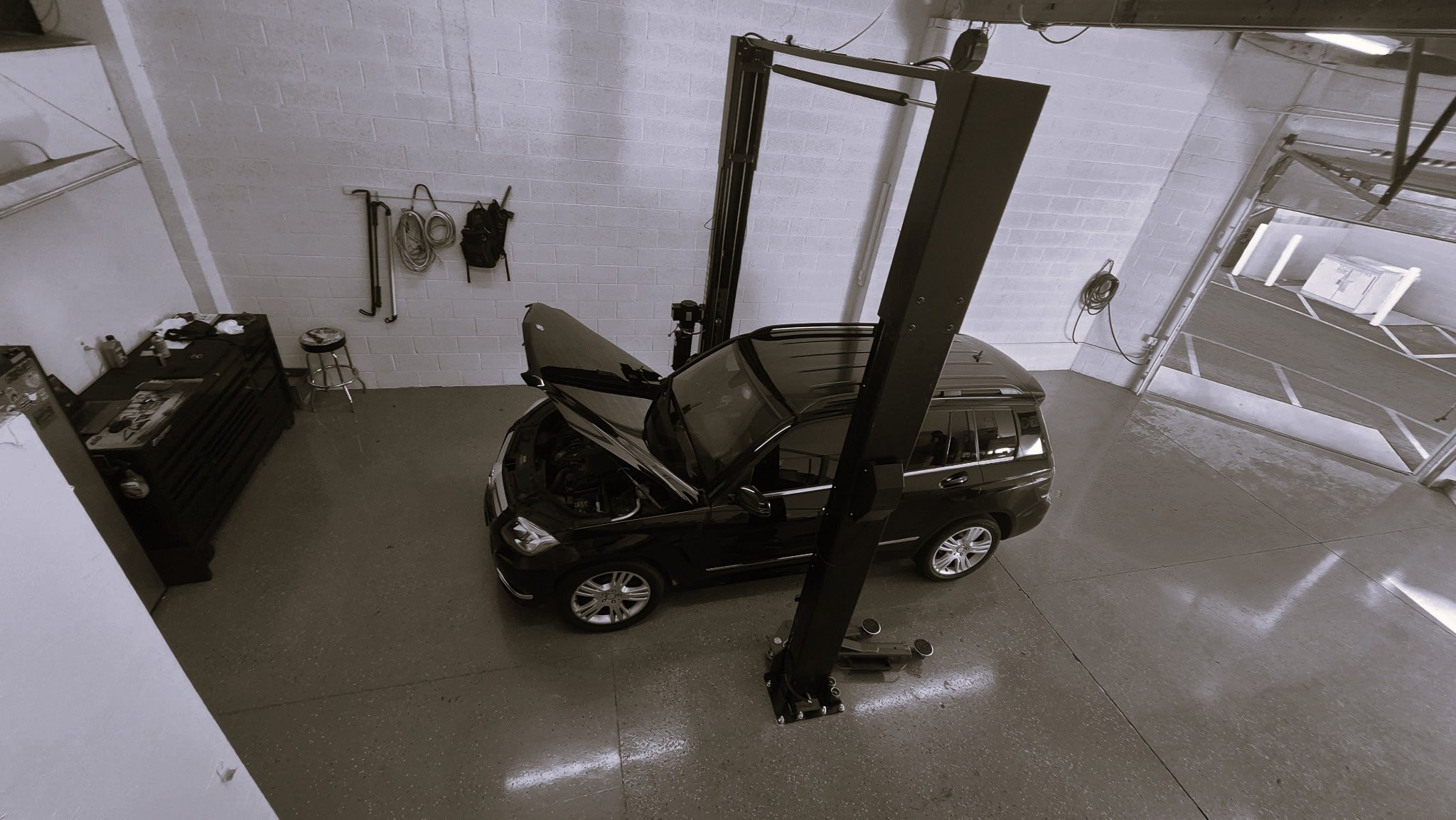
A repair estimate should not feel like a mystery invoice. When a customer brings in a European vehicle, the shop's job is not only to identify the work. It is to explain the work clearly enough that the owner can make a good decision.
That matters because European vehicles often have layered systems. A symptom can involve software, sensors, cooling, oil leaks, suspension, brakes, electrical modules, or maintenance history. Without context, a recommendation can sound like a list. With context, it becomes a plan.
The question behind every repair
The most useful question is not only, "What is broken?" It is, "Why does this matter for this vehicle and this owner?" A daily-driven BMW with an active leak may need a different priority conversation than a weekend Porsche with an inspection finding. A Mercedes-Benz warning light may need immediate diagnosis, while a maintenance item may be planned with the next service interval.
Good communication separates safety concerns, reliability concerns, performance concerns, and future maintenance. That is how a customer knows what to approve now and what can wait.
What customers should expect
A transparent shop should be able to show the evidence, explain the cause, describe the consequence of waiting, and connect the repair to the customer's goals for the car. Photos, notes, scan data, and technician explanation all support that conversation.
The point is not to overwhelm the customer with technical language. The point is to translate the technical work into a decision the customer can trust.
Why this fits PEAR
The strongest content from Matt comes from the way he talks through problems. That is also the service experience customers need: calm explanation, honest prioritization, and enough detail to understand the recommendation.
When a shop explains the why before the fix, the customer is not just buying a repair. They are buying clarity, confidence, and a better ownership experience.
Ask about your repair