01
Computer Diagnostics
Check-engine lights, electrical faults and sensor issues read with factory-level scan tools.
Dealer-level diagnostics, clear repair guidance, and specialist craftsmanship for premium European vehicles — built for owners who care how their car drives, ages, and performs.
For more than fifteen years, Phoenix drivers have brought their European cars to one place when the dealership felt impersonal and the corner shop felt out of its depth. We are the specialists in between — factory-grade tooling and training, delivered with the attention of a boutique studio.
Every car that enters our bays is treated as an individual machine with its own history. We diagnose to root cause, document what we find, and never recommend a repair we wouldn't make on our own vehicles.
Independent European repair experience, rooted in the Phoenix community.
Trained specifically around European electrical, mechanical and drivetrain systems.
Components selected for reliability and longevity — not the cheapest box on the shelf.
Honored in almost all cases — confidence that follows you down the road.
Focused knowledge for BMW, Audi, Porsche, Mercedes-Benz and the rest. We don't dabble — these are the cars we live in.
Modern European systems demand measured diagnostics. We find the why before we touch a single part.
Photo-backed inspections and plain-language recommendations. You see what we see before anything is signed off.
A complete service range for European vehicles — every job measured, documented, and warrantied.
Check-engine lights, electrical faults and sensor issues read with factory-level scan tools.
From timing systems to drivetrain repair — heavy mechanical work done to specification.
Precise tracing and repair of leaks before they become expensive failures.
Brakes, suspension and steering — serviced for the way these cars are meant to be driven.
Photo-documented health checks — including thorough pre-purchase reviews before you buy.
Keep your service history intact with manufacturer-interval care — without dealer markup.
The full write-up lives on our diagnostics page.
We start with how the car actually behaves — the symptom, the conditions, the history — not a guess at the part.
Live data, fault memory and oscilloscope readings interpreted by technicians who know these platforms intimately.
We isolate the source instead of throwing parts at a code — the difference between a fix and a repeat visit.
You receive photos, findings and a clear recommendation. The repair only begins once you understand and approve it.
If it was engineered in Europe, it speaks our language. A selection of the marques we live and breathe:
 PorscheStuttgart
 BMWMünchen
 Mercedes-BenzStuttgart
 AudiIngolstadt
 Aston MartinGaydon
 BentleyCrewe
 JaguarCoventry
 Land RoverSolihull
 MaseratiModena
 VolkswagenWolfsburg
 VolvoGöteborg
 MiniOxford
Service coverage includes Audi, BMW, Aston Martin, Bentley, Jaguar, Land Rover, Maserati, Mercedes-Benz, Mini Cooper, Porsche, Volkswagen, Volvo, and similar European vehicles. Vehicle names and logos are used only to identify the makes serviced by Precision European Auto Repair. All trademarks remain the property of their respective owners.
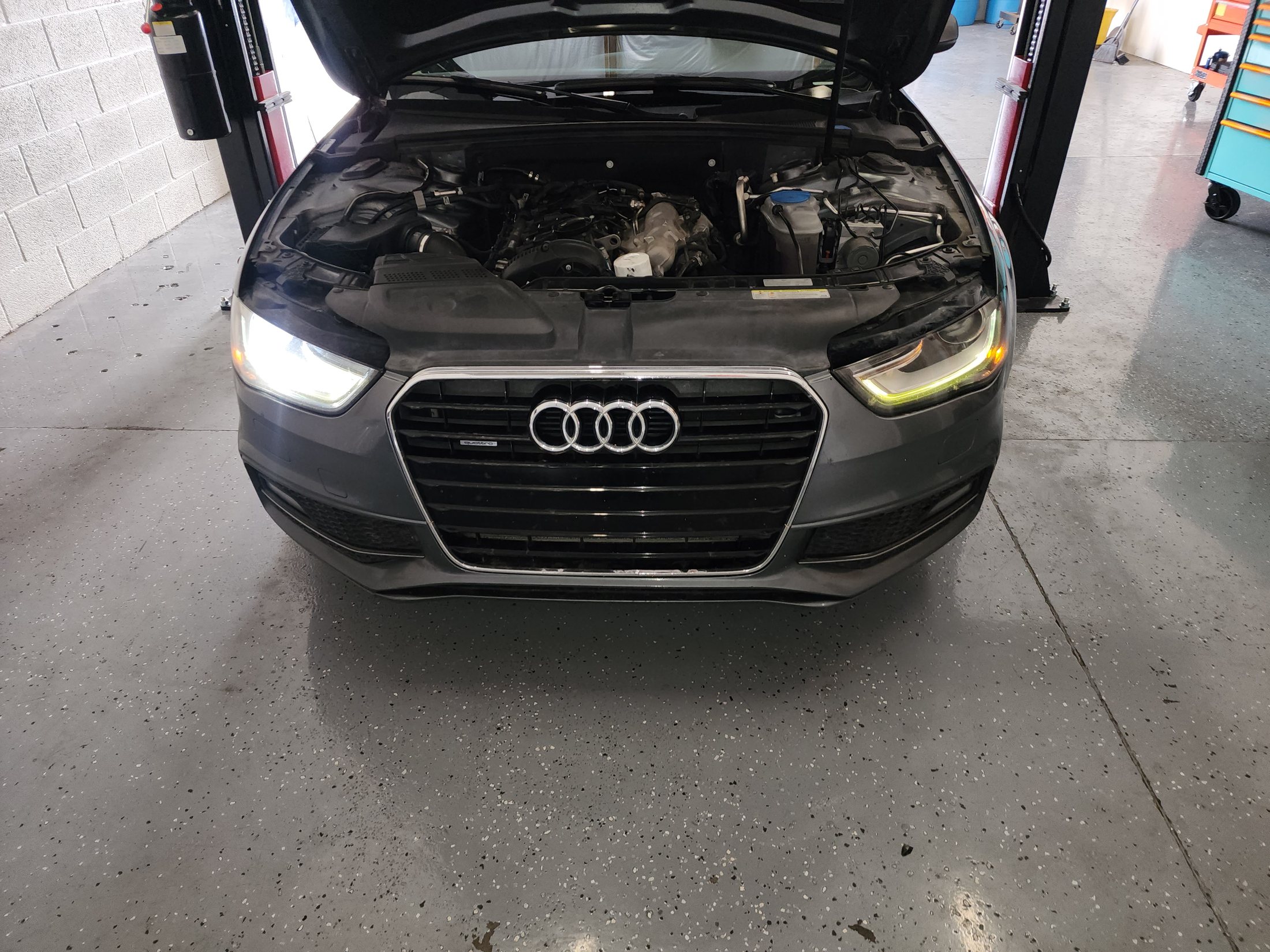
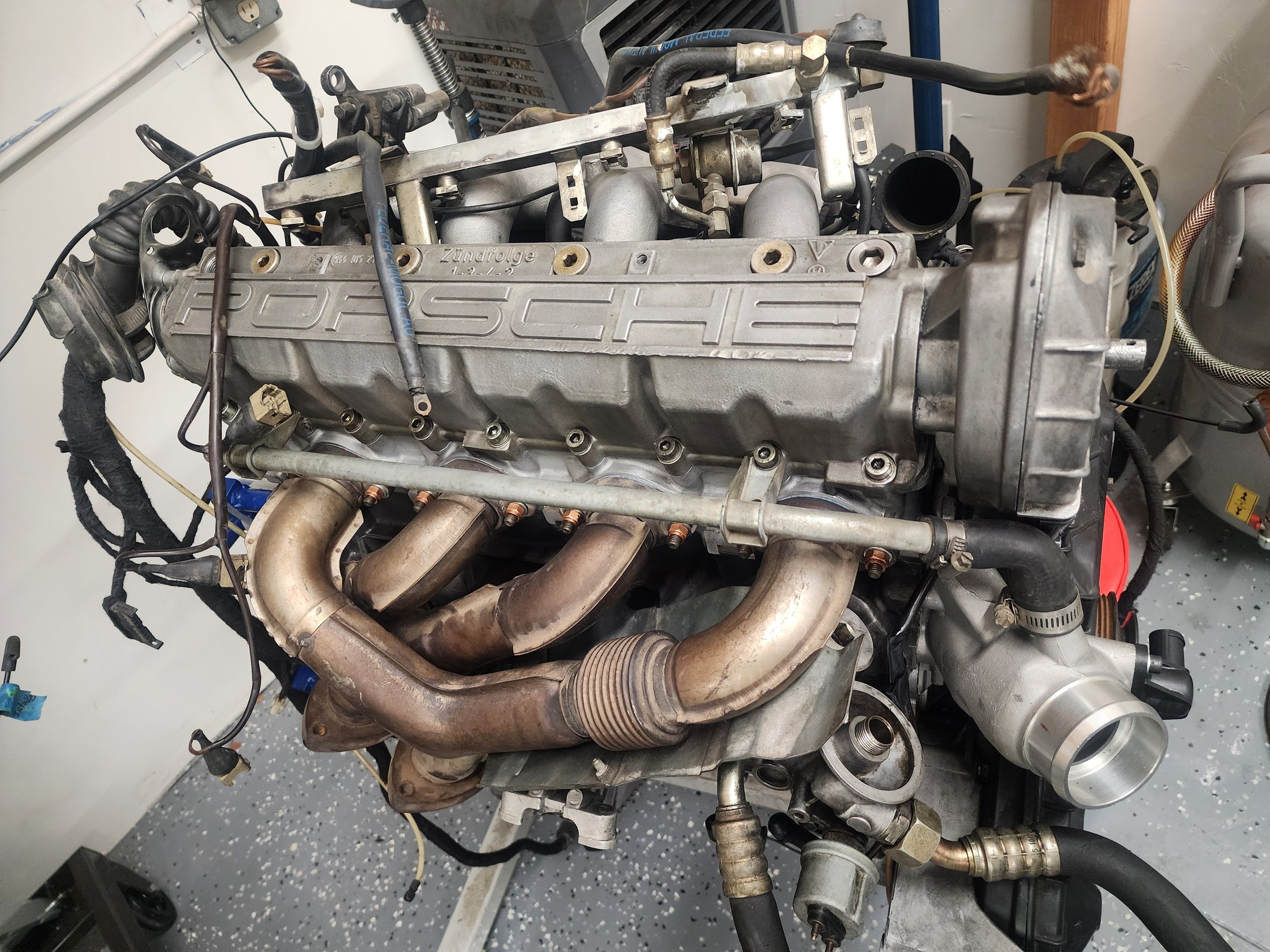
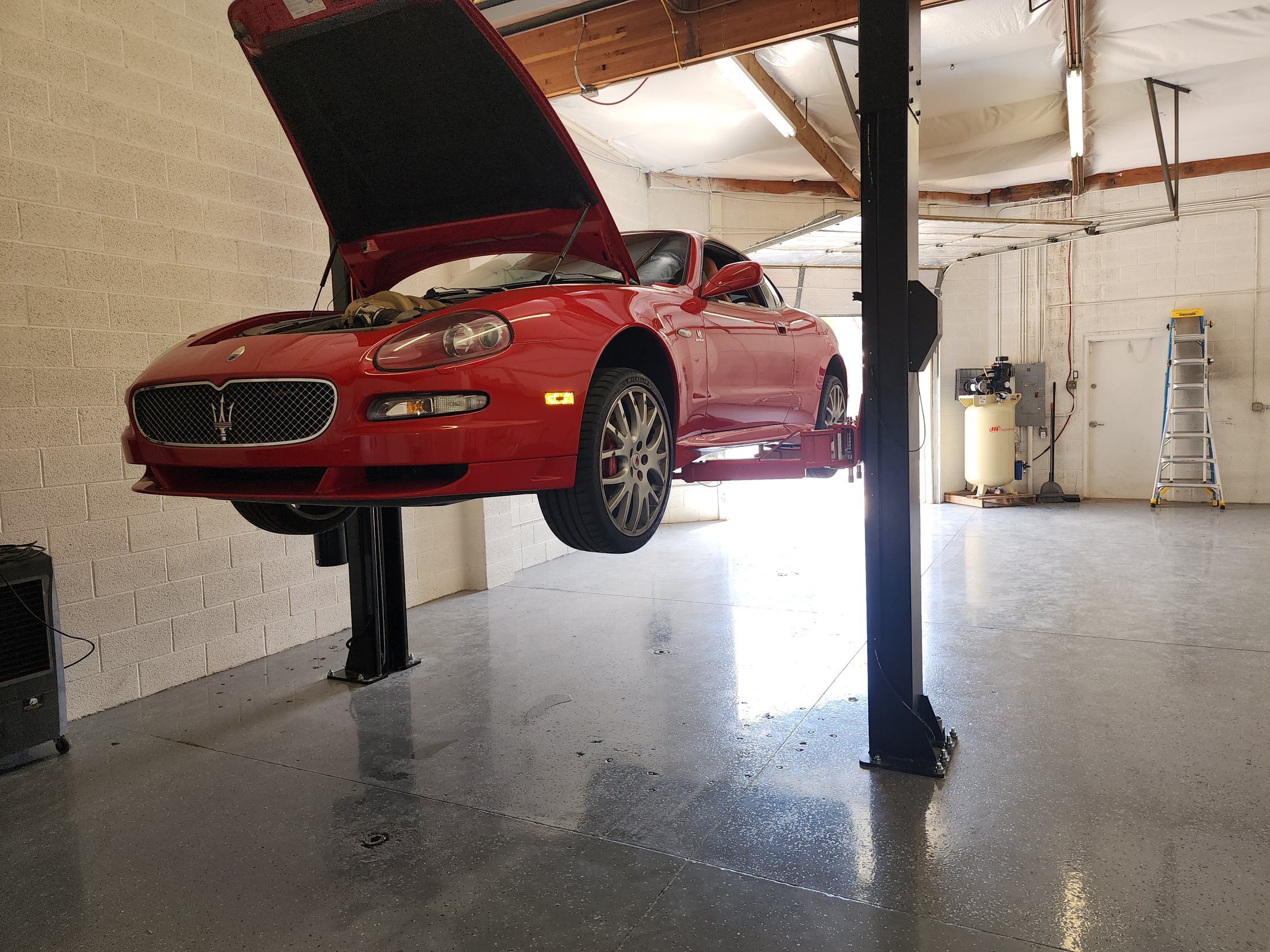
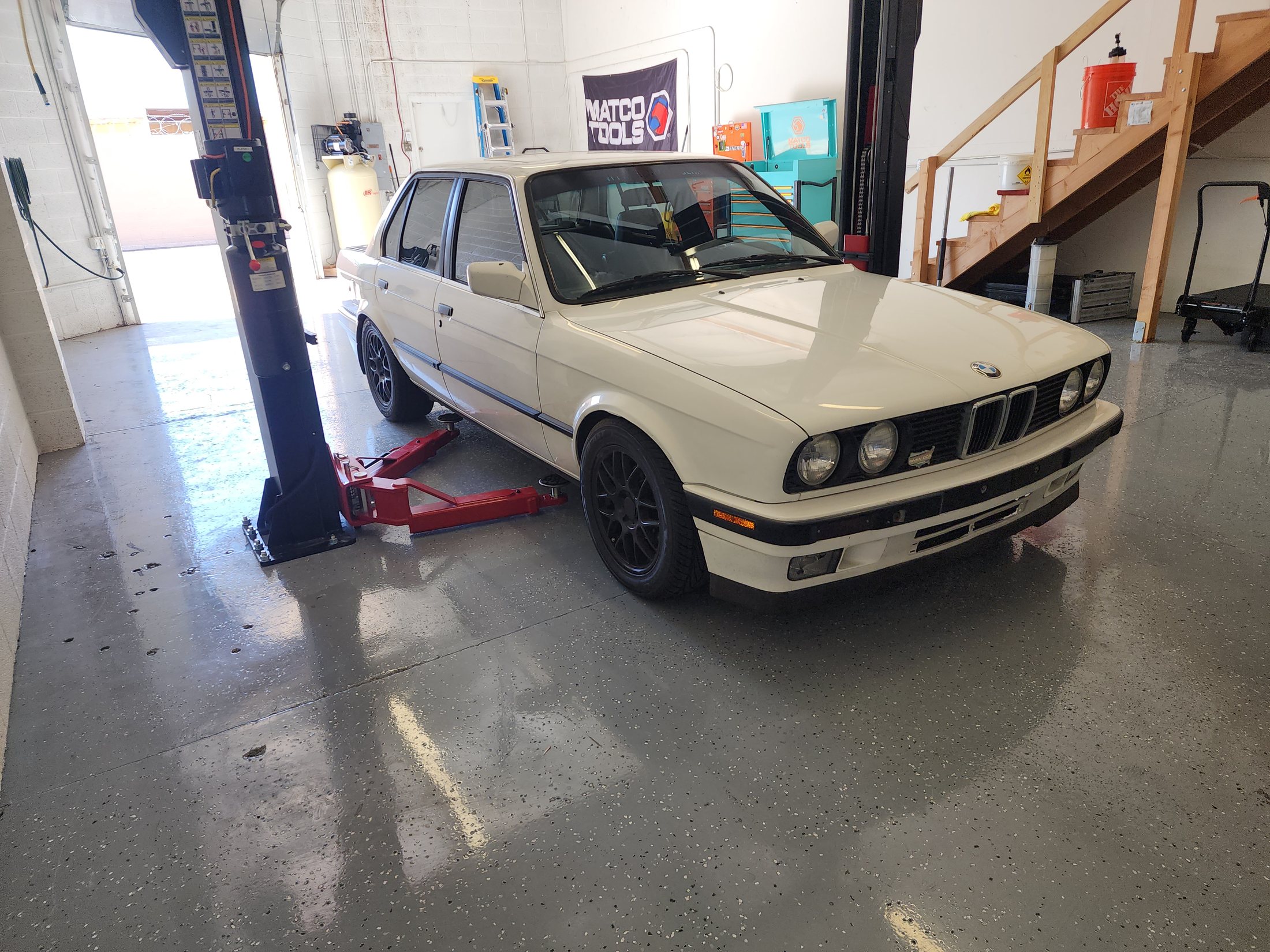

Our reputation is written by the Phoenix drivers who trust us with their European cars — read their experiences in their own words, straight from Google.
Read Our Google ReviewsPlain-English notes from the bench — what we see, why it matters, and how to keep your car healthy between visits.
On a modern BMW or Audi, a single fault code can have a dozen root causes. Here's how we tell them apart — before anyone replaces a part.
Read noteA weep from a valve-cover gasket looks harmless. Left alone, it can take your belts, your sensors, and a lot more with it.
Read noteA pre-purchase inspection is the cheapest insurance you'll ever buy. Here's what we look for before you sign.
Read noteStill have a question? Call us at 623·273·2366 — we're happy to talk it through.
Yes — exclusively. We specialize in Audi, BMW, Aston Martin, Bentley, Jaguar, Land Rover, Maserati, Mercedes-Benz, Mini, Porsche, Volkswagen, Volvo and similar premium European platforms. It's all we do, which is exactly why we do it well.
Modern European vehicles are deeply software-driven. Rather than reading a code and swapping the nearest part, we use factory-grade tooling for diagnostics to measure live data and trace the issue to its root cause — then document it with photos so you can see exactly what we found.
Precision European Auto Repair offers a 2-year and/or 24,000-mile warranty in almost all cases — so the confidence in our work follows you down the road.
Yes. We provide dealer-level diagnostics, OEM-grade parts and factory-scheduled maintenance that keeps your service history intact — with the personal attention and pricing of an independent specialist.
We do. Before you buy a used European vehicle, we'll give it a thorough, photo-documented pre-purchase inspection so you understand its real condition — and its real costs — before you commit.
 Ready when you are
Book a diagnostic or scheduled service and experience the difference that focused, transparent European care makes.
Cave Creek · Phoenix, Arizona
Send a request and we'll confirm a time that works. Prefer to talk? Call or email — a real person will answer.
Thanks — the shop has your details and will confirm a time shortly. Prefer to call? 623·273·2366.